
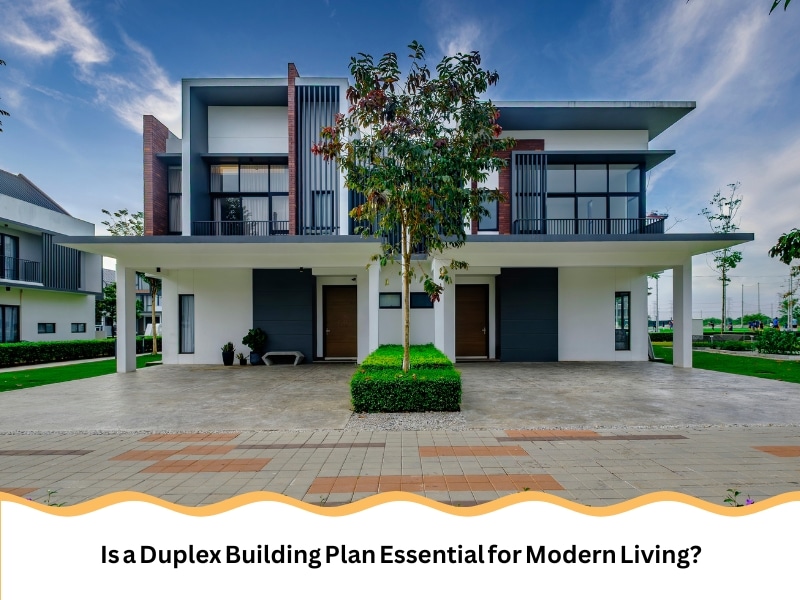
In the bustling suburbs of Sydney’s Eastern region, crafting the right duplex building plan can unlock lifestyle flexibility and investment potential. With land prices climbing and zoning rules tightening, homeowners are under pressure to maximise every square metre of their site. Many find that without a clear blueprint that anticipates cost, design and approval challenges, the project can quickly become overwhelming. This article explores how a well‑structured duplex building plan sets you up for success in modern living.
Why is creating a duplex building plan challenging for Sydney homeowners?
Creating a sound duplex building plan challenges Sydney homeowners because of site constraints, budget pressures and design expectations all colliding at once. Here are the challenges:
- Site restrictions such as narrow frontage, steep slopes or heritage overlays force complex design solutions even from the early concept phase.
- Balancing cost‑efficiency with maximum living space means making tough trade‑offs between footprint, room count and outdoor access.
- Architectural style influences—whether modern, heritage or federation—can limit materials and façade options and require custom detailing.
- Coordination of engineering, survey and architectural inputs demands more time and money than many expect when aiming for a streamlined build.
Planning ahead with custom duplex planning solutions helps you navigate these constraints with confidence, ensuring your project starts on solid ground.
What common mistakes lead to costly duplex design revisions?
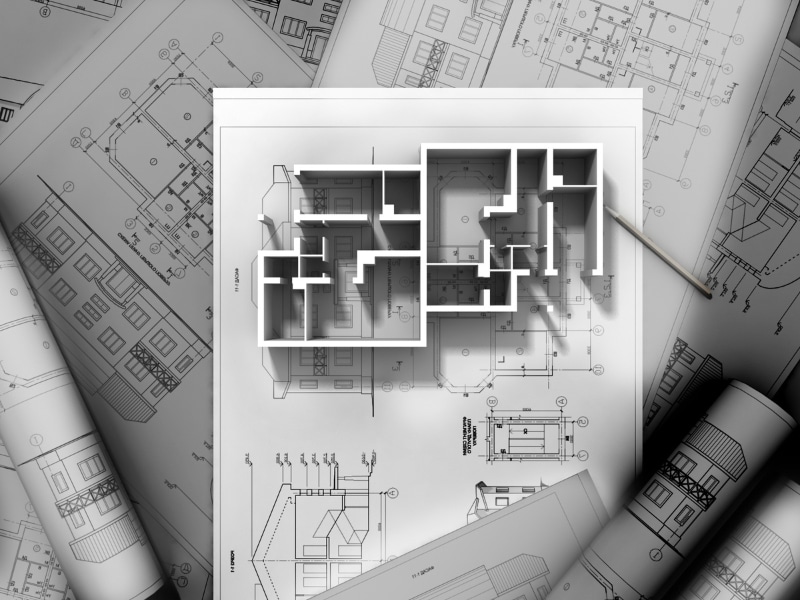
When a duplex building plan is hurried or under‑designed, common mistakes lead to expensive changes during construction or after handover. These errors include: Here are the common mistakes:
- Misalignment between the building plan and zoning in documentation means major amendments or council refusals, adding both cost and delay.
- Overlooking drainage and slope considerations can result in inadequate stormwater management, basement flooding risks or non‑compliance with council standards.
- Poor orientation and natural light access reduce liveability and may force expensive redesigns of living zones or window treatments.
- Neglecting acoustic separation between units results in complaints, reduced value and potentially costly retrofitting of insulation or structure.
These issues are often flagged early when you consult expert duplex builders in Sydney, who know how to identify red flags in both design and compliance.
How do local zoning and council rules complicate dual occupancy plans?
Navigating local zoning and council rules complicates dual occupancy development because each site may trigger different regulations, approvals and fees. Here are the regulatory complications:
- Understanding DA versus CDC processes: Development Applications often take longer and involve public consultation, whereas Complying Development Certificates might offer speed but stricter criteria.
- The role of Local Environment Plans (LEPs): Each council’s LEP dictates land‑use zones, allowable building heights, setbacks and floor‑space ratios, which must match your design.
- Key documentation required for approval includes site survey, title search, geotechnical report, drainage plan and waste‑management strategy—missing items trigger delay.
- Council variations for dual occupancy or dual habitation mean what passes for a single home on one lot may not on another; each site behaves differently.
| Item | Why it matters | Typical consequence if ignored |
| Zone & LEP status | Determines what you legally can build | Application rejection or redesign required |
| Floor‑space ratio | Limits the size of the buildable area | An oversized plan may require downsizing or consent |
| Site access & driveway | Impacts emergency access and parking | Non‑compliance could block approval |
| Services & drainage | Ensures compliance with the infrastructure | Delays and extra costs for remedial works |
These layers of regulation make it vital to engage professionals who understand both planning law and design integration.
How can professional builders streamline your duplex building plan approval process?
Professional builders can streamline your duplex building plan approval process by taking charge of coordination, compliance and risk earlier in the development cycle. Here are the builder‑led solutions:
- Coordinating design, engineering and council feedback ensures all disciplines speak the same language and reduces back‑and‑forth between parties.
- Undertaking builder‑led pre‑approval checks means you identify issues such as site suitability, zoning compliance or cost blow‑outs before you lock in architectural drawings.
- Engaging a builder familiar with the Eastern Suburbs market leverages local knowledge of council quirks, heritage overlays and block types.
- Using standardised documentation and internal systems accelerates permit‑to‑construction handover and lowers the chance of late‑stage change orders.
Investing in builder experience means less red tape and fewer unexpected design revisions, resulting in a smoother journey from permit to property.
Why does thoughtful home layout design improve duplex living comfort?
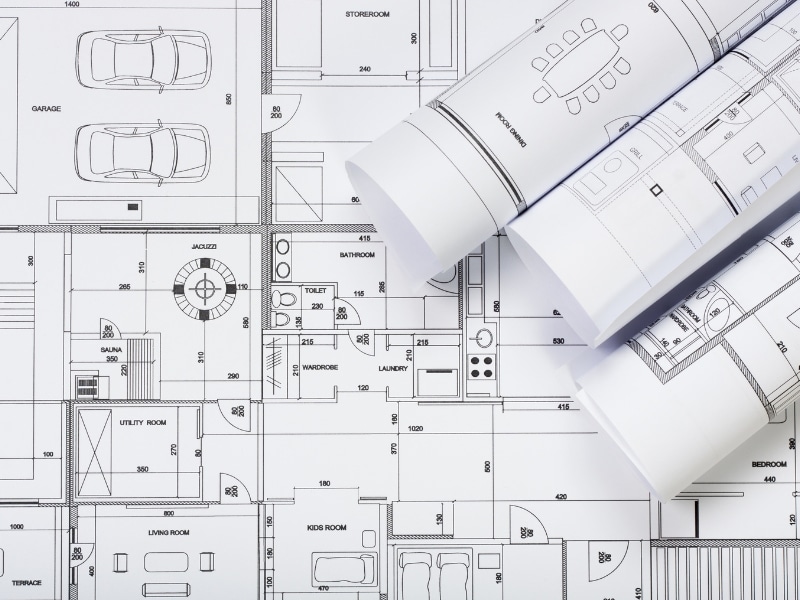
Thoughtful home layout design significantly improves duplex living comfort because the way you plan living zones, walls, and flow shapes both privacy and usability. Here are the layout strategies:
- Designing optimal floor‑plan strategies for shared walls minimises noise transmission and allows each dwelling genuine independent living.
- Using open layouts to improve natural ventilation supports healthier living spaces and can reduce reliance on air‑conditioning in warmer months.
- Ensuring acoustic and visual privacy between units makes the building feel less like multi‑unit housing and more like two distinct homes.
- Incorporating separate outdoor areas, distinct entries, and generous circulation ensures each household has its own zone and sense of identity.
You’ll also want to consider home layout design principles that support energy efficiency and passive comfort. These design choices shape how well a duplex performs day to day.
How sustainable construction materials elevate modern duplex builds?
Sustainable construction materials elevate modern duplex builds by delivering longer life, lower maintenance and lower ongoing operating costs. Here are the materials considerations:
- Choosing energy‑efficient materials such as high‑performance insulation, triple‑glazed windows, or solar‑ready roofing improves thermal performance and lowers bills.
- Exploring recycled and low‑carbon options for structural elements reduces the environmental footprint and aligns with the growing expectations of future buyers.
- Prioritising cost‑and‑longevity benefits saves money over the building’s life despitea slightly higher upfront cost.
- Ensuring materials work within Sydney’s climate—heat, humidity and sun exposure—ensures the duplex building plan remains relevant and robust for decades.
These materials not only reduce operating costs but also enhance the value of a home by balancing comfort and privacy in duplex homes, which is essential for long-term satisfaction and resale.
Final thoughts on creating a duplex building plan for modern Sydney homes
A well‑structured duplex building plan isn’t just a nice‑to‑have — it’s a necessity if you want to avoid headaches, cost blowouts, and approval delays. The smartest outcomes come when planning is detailed, the team is local, and the strategy balances both comfort and compliance. For homeowners in Sydney’s East, working with experienced professionals can make a world of difference. That’s why it’s worth seeking guidance from Sydney East Building & Renovations when you’re ready to turn your duplex concept into a real, high‑performing home that fits your future.