
Are you looking for the best double-storey house designs that combine style, space, and bright living? How do you pack more into your block without compromising flow or budget? What if there were a way to feel confident at every step—from initial layout to storage solutions—by applying proven design principles? This article provides clear, concise insights into why these builds stand out, how to customise them for your block, and where clever storage and features fit in.
Why are the best double-storey house designs worth the investment?
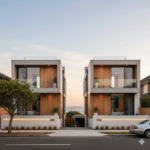
Adding a second storey often raises costs, but innovative design boosts return and liveability. When you look beyond just floor area, a quality layout creates genuine lifestyle and financial benefits that single-storey homes can’t match.
- Smart room stacking maximises space on narrow blocks, keeps the footprint tight, boosts value, and allows for better room separation, ensuring noise stays downstairs.
- Zoned living: Creates peaceful, private areas for family time or quiet moments, provides separation between social and personal spaces, and enhances household harmony.
- Energy efficiency: With clever orientation, energy is saved on heating and cooling, often reducing bills and improving comfort year-round while enhancing environmental sustainability.
- Resale appeal: In NSW, double-storey house plans typically command higher resale value thanks to increased space, modern curb appeal, and multi-functional layouts
By prioritising design quality, a higher build cost is offset by increased value. Well-designed double‑storey homes deliver exceptionally versatile spaces that adapt as families grow or needs change, making them a wise investment.
Why do homeowners struggle to choose double-storey house plans?
Choosing a plan is tougher than it seems—there are too many options and not enough clarity. The overwhelm often leads to stop-gap decisions that don’t solve the problems of flow or lifestyle.
- Needs uncertainty: Unsure if the master should go upstairs or downstairs, leading to rework later and disrupting future routines.
- Overwhelming choices: Generic plans may lack personality or function, making spaces feel generic and disconnected.
- Budget blowouts: Unseen custom tweak costs inflate the original price, surprising homeowners mid-build and causing frustration and delays.
- Lifestyle mismatch: Layouts may clash with daily habits or flow, making living awkward when routines are overlooked and inefficient.
With the right approach, these issues can be resolved. You can simplify by asking key site questions and mapping daily routines. Clarity here prevents layout regrets later and ensures the design feels cohesive and at home.
Are luxury double-storey house designs harder to customise?
Luxury often appears extravagant, but clever design enables both style and flexibility. You can enjoy opulence without overbuilding or being locked into fixed layouts.
- Shell-first strategy: Select a solid floor plan, then layer luxurious finishes and tailored features without compromising the core structure.
- High-end features: Consider double-height spaces without huge costs if configured early and efficiently.
- Custom shell tweaks: Adjust bedroom sizes or bathroom layouts early in the build process to avoid rework costs.
- Value retention: Simple, classic additions retain their worth over time, avoiding dated styling while keeping future buyers in mind.
By separating structure from finish, luxury items like integrated lighting, curtains, or built-ins can be adjusted to suit a budget or changing tastes without waste. That approach delivers refined luxury, minus complexity.
How can you find the best two-storey layout for your block?
Match the plan to block to prevent costly changes or council issues. When you start with your actual site and constraints, every layout decision becomes easier.
- Do site survey: Note levels, setbacks, sun paths, and stormwater—so informed design starts from day one and guides wise choices.
- Use local plan templates tailored to NSW blocks to meet council needs and site conditions, guided by insights from understanding NSW’s official housing design principles.
- Rotate and mirror: Adapt to solar access and street orientation to optimise light and privacy and create balance.
- Local references: Review nearby builds to gauge fit and note what works well or doesn’t, helping refine your plan more accurately.
Common layout features offered by local double-storey home builders:
| Feature | Benefit |
| Custom Room Adjustments | Adapts layout to suit family size, work-from-home needs |
| Integrated Alfresco and Dining | Enhances indoor–outdoor living flow |
| Void Over Entry/Living | Adds height, light, and visual appeal without extra footprint |
| Guest Suite on Ground Floor | Increases flexibility for multigenerational living |
| Full-Width Upstairs Balcony | Adds space and shade while maximising street appeal |
You’ll feel confident when you plan the perfect two-storey layout by following these steps. Local examples reveal how minor tweaks—such as plan flipping—can transform flow and reduce costs by a fraction.
How smart storage solutions improve double-storey home floor plans
Storage has to feel effortless and integrated. Proper planning prevents cluttered spaces and uses every nook efficiently.
- Under-stair drawers: Ideal for storing shoes or linens, these drawers transform potential dead space into practical storage, helping to maintain a tidy entryway.
- Built-in wardrobes: A mix of hanging space, drawers, and shelves suits varied clothing needs and reduces reliance on furniture.
- Scullery pantries: Keep kitchen spaces clean and organised, hide appliances, and provide extra meal prep areas.
- Upstairs linen cupboards, placed near bathrooms and bedrooms, streamline access and organisation, saving on daily steps.
- Garage cabinets: Built-in units keep tools and outdoor gear tidy while freeing up interior storage areas.
- Hidden roofline storage: Ceiling hatch access for seasonal items, keeping them out of sight yet readily accessible, and maintaining household order.
Seamless storage makes a big space feel organised and calm. These solutions support daily routines and help reduce long-term frustration. You can also explore customisable layouts for two-storey homes that already include bright storage ideas without the need for redesign.
What trending features define the best double-level house designs?
Certain features pop up in top designs—modern and timeless. Selecting features with staying power ensures your home remains relevant and functional long term.
- Indoor–outdoor flow: Sliding doors seamlessly connect the living area and patio, allowing natural light to flow inside and extending the living space.
- Home study zones: Tucked near bedrooms, ideal for working or remote study, and offer quiet focus zones for both kids and adults.
- Double-height foyers: Add drama with lower construction cost than mezzanine spaces and improve first impressions.
- Boutique ensuites: Hidden dress zones create a luxe feel without huge rooms, perfect for compact luxury.
- Energy upgrades, including thermal glazing and solar readiness, are essential for maintaining ongoing comfort and savings, while also meeting increasing buyer expectations.
These features to look for in modern layouts ensure your build stays current and functional. Thoughtful feature choices add value, elevate design, and provide comfort without overcapitalising.
Final thoughts
Selecting the best double-storey house designs comes down to site fit, innovative features and flexibility. Investing time in layout planning before finishing avoids costly errors and creates a lasting style. Designs that incorporate clever storage, thoughtful lighting, and future-proofed zones deliver exceptional liveability and value. When readiness meets execution, feel free to ask Sydney East Building & Renovations about your design goals—they understand regional nuances and can shape your plan for long‑term satisfaction.