
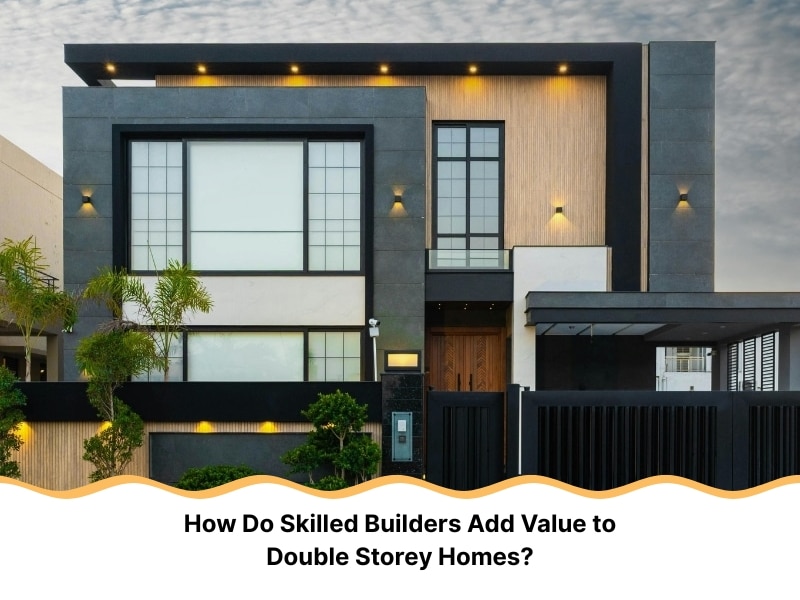
What makes some two-storey homes more functional, durable, and valuable than others? The difference often lies in the builder’s skill. Whether you’re working with a narrow block, dealing with steep terrain, or aiming for a sleek open-plan layout, experienced tradespeople bring the precision needed to get it right the first time. They don’t just follow a checklist—they solve problems before they become costly. And when you’re building from the ground up, that foresight can make or break the result. This article explores the innovative ways skilled professionals add lasting value to your double-storey homes—from permits to materials, and from layouts to timelines.
What approvals are needed before starting construction on double-storey homes?
Before construction kicks off, you’ll need to tick off a few boxes with local councils and regulators. Builders who know the ropes will move this process along efficiently and legally.
- Zoning verification: Confirms whether your property is allowed to have a double-storey structure.
- Development Application (DA): Outlines the proposed build and must be approved by the council.
- Construction Certificate (CC): Ensures the actual building plans comply with all codes.
- BASIX and energy reports: Required to show compliance with sustainability standards.
- Neighbour consultation: Informs nearby residents if your project could impact views or privacy.
Missing any of these steps delays your start date or triggers costly redesigns. That’s why builders with local knowledge handle these approvals from day one. For reliable solutions for modern double-storey homes in Eastern Suburbs, it’s worth working with professionals who’ve walked this road before.
Why is site assessment essential for planning double-storey homes?
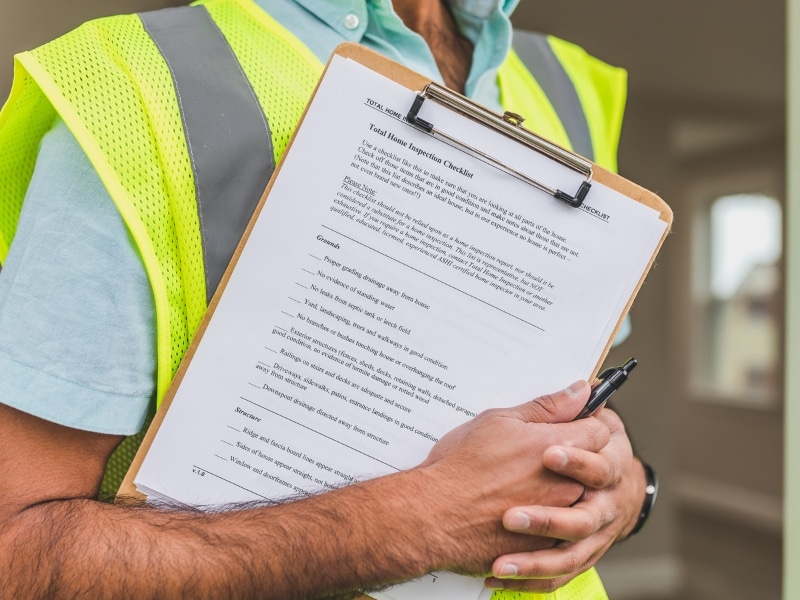
Site inspections are more than a box to tick—they reveal what’s possible, safe, and smart for your land. Double-storey home builders in Eastern Suburb projects often demand detailed preparation to avoid structural or drainage issues down the track.
- Soil classification testing determines whether the soil is suitable for slabs or requires piers.
- Drainage pattern analysis: Identifies flood risks or pooling concerns.
- Access review: Considers machinery access and staging areas during the build.
- Orientation and shadowing: Affects energy use and comfort in upper and lower levels.
Skipping this step means risking structural instability or water problems down the track. That’s a mug’s game. A good builder translates findings into foundation choices and layout options that work.
How can layout design impact comfort and functionality in double-storey homes?
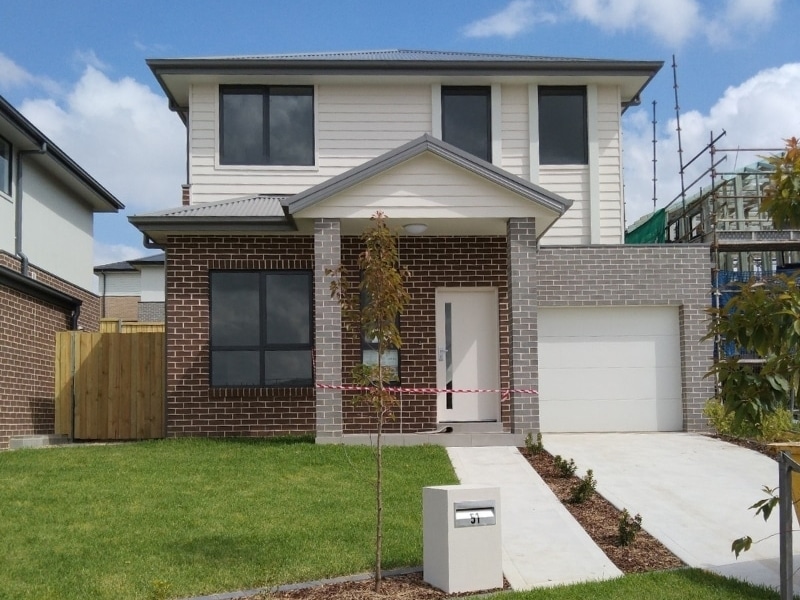
Even large homes can feel cramped or awkward if the layout misses the mark. Builders know how to get it right based on real-life use—not just floorplan aesthetics.
- Zoned living areas: Separate quiet zones (like bedrooms) from active zones (like kitchens and lounges).
- Clever stair placement: Minimises traffic bottlenecks and maximises floor use.
- Integrated indoor–outdoor flow: Enhances lifestyle and boosts natural light.
- Flexible space planning: Designs that allow future conversions or additions.
These features turn a basic design into a flexible, liveable home. If you’re looking for design inspiration from top double-storey home layouts, compare how builders arrange spaces that grow with families.
Which materials do builders recommend for long-lasting two-storey builds?
Material selection isn’t just about looks. The right combo means fewer repairs, stronger weather resistance, and better thermal comfort.
- Engineered timber or steel frames: Offer structural stability and termite resistance.
- Brick veneer or fibre cement exteriors: Deliver durability with low maintenance.
- Colourbond or tile roofing: Protects against heat and moisture ingress.
- Insulation and double-glazing: Improves energy ratings and comfort.
Builders recommend materials not just for aesthetics but based on terrain, weather, and lifespan. They balance cost with function so your home stays strong without becoming a maintenance headache.
Table: Common materials for double-storey builds
Component | Preferred Materials | Key Benefits |
Frame | Treated timber / Steel | Long-term strength, termite resistance |
Cladding | Brick veneer / Fibre cement | Weather protection, visual appeal |
Roofing | Colourbond steel / Tiles | Thermal control, durability |
Glazing | Double-glazed windows | Reduced energy bills, acoustic control |
Insulation | Bulk and reflective layers | Maintains indoor comfort year-round |
What factors influence the timeline of a double-storey construction project?
Every builder will tell you—no two timelines are the same. But professionals know what affects speed and how to manage the process efficiently.
- Council and compliance delays: Permit processing times vary widely by location.
- Weather interruptions: Rain, wind or heatwaves can pause critical stages.
Trades availability: Skilled labour shortages may cause bottlenecks. - Material supply disruptions: Global demand can affect local inventory and delivery.
It’s easy to underestimate how long things will take. Experienced builders map timelines with padding for delays and know how to schedule trades to minimise downtime. If you’re weighing your schedule, start by understanding the right timing for hiring home builders so you’re not left in the lurch.
How do builders handle challenges in sloped or narrow block extensions?
Some blocks require extra creativity. Builders handle these with tailored solutions that keep designs functional and compliant.
- Split-level layouts: Accommodate slopes with internal steps instead of massive excavation.
- Narrow-width planning: Uses vertical height and bright floor stacking to maximise footprint.
- Drainage planning: Prevents water flow problems by rerouting runoff effectively.
- Staging and access logistics: Plans for crane work or offsite staging areas in tight spaces.
Builders who’ve seen it all know how to work within rigid site constraints. And if you’re comparing options, a step-by-step guide to selecting the right home builder can help you pick someone who’s tackled similar blocks before.
Final thoughts
A skilled builder’s value isn’t just in construction—it’s in knowing how to manage approvals, maximise space, and plan for long-term performance. Every decision shapes how well your double-storey home works now and into the future. From layouts to logistics, working with the right team prevents costly mistakes and ensures quality. For expert guidance through your next steps, learn how Sydney East Building & Renovations ensures quality outcomes with trusted experience across modern two-storey builds.