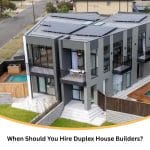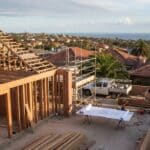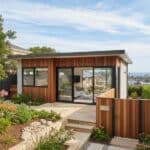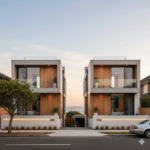

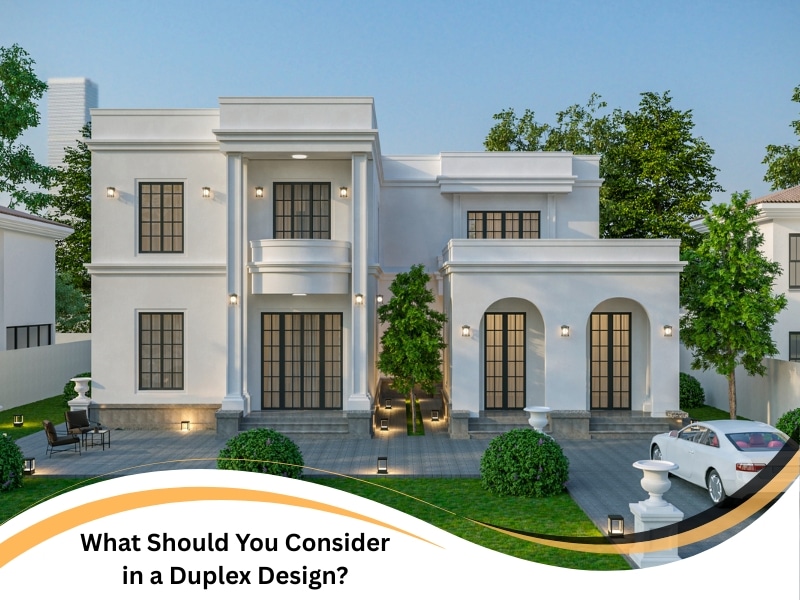
Getting a duplex design right from the start can make the difference between a smart long-term investment and an ongoing headache. From the outside, a duplex may seem like a straightforward build—but in reality, designing two homes under one roof comes with layers of complexity. Floor plan choices, site layout, council rules, and internal flow all influence how the home functions day to day. Whether you’re building to live, lease, or future-proof your land in an Eastern Suburb, understanding what drives good duplex design is key. This article explores the considerations that shape a high-performing and livable dual dwelling.
Why is early planning crucial in duplex design?
Early planning is the foundation of successful duplex development. It ensures your design aligns with site conditions, local requirements, and long-term use. Rushing in too early can cause delays, costs, and liveability issues.
- Identifying lot constraints early avoids wasted design time and keeps planning approvals simple and efficient
- Early planning clarifies how zoning laws will affect floor sizes, height limits, and building orientation
- Good pre-planning ensures DA submissions align with council expectations, reducing the chances of drawn-out delays
- Starting with clear goals prevents costly revisions and helps streamline the whole construction process from the outset
Early decisions shape long-term outcomes. Planning at the start leads to smoother approvals and better results that reflect your actual goals and lifestyle.
What are common mistakes in duplex design layouts?
Many designs look great on paper but fail once people move in. Poor spatial planning, symmetry over practicality, and overlooked zoning limitations are just a few issues that can quickly undermine a good build.
- Designing identical mirror layouts misses opportunities to improve privacy, daylight, and space between the two living areas
- Placing bedrooms beside noisy spaces like kitchens or garages can impact sleep, comfort, and enjoyment
- Failing to maximise natural light creates dark interiors that rely too heavily on artificial light sources
- Not considering parking, bin access, or garage placement can cause long-term usability headaches post-handover
Avoiding poor layout choices from the beginning saves money, reduces stress, and leads to more enjoyable, flexible daily living.
How can duplex design mistakes affect liveability?
It’s not just about aesthetics—layout missteps can cause daily disruption, from sound issues to lack of privacy. Small oversights lead to frustrations that affect how well your home serves real-life routines.
- Inadequate acoustic separation means noise travels easily, which disrupts privacy and affects the overall living experience
- Poor kitchen placement or bathroom layout adds unnecessary walking and reduces day-to-day functionality dramatically
- Limited built-in storage can reduce furniture layout options and make rooms feel cramped or underused
- Awkward entryways or window positions can create privacy concerns and increase maintenance or safety issues unnecessarily
Ignoring how the home flows in real life often results in awkward living. These mistakes can impact enjoyment from the moment you move in.
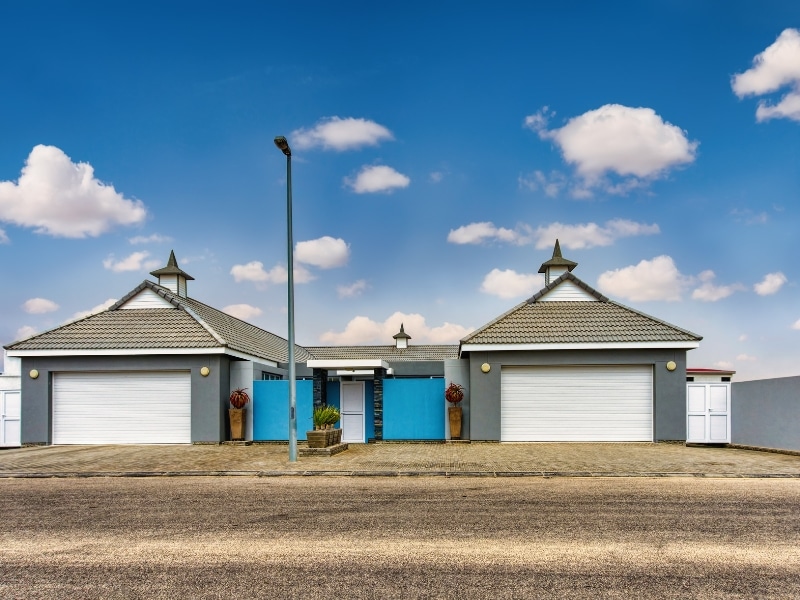
Do dual living floor plans improve spatial flexibility?
These layouts are designed to balance shared and private zones. Whether you want to support intergenerational living or generate income, spatial flexibility creates independence without the need for future renovation.
- Zoned layouts allow different generations or tenants to live independently with shared access where appropriate
- Private entrances give occupants control over their own areas while sharing infrastructure like utilities or driveways
- Integrated yet separate living zones offer lifestyle balance and comfort in modern multi-use households
- These layouts make it easier to convert living space for work, rental, or other evolving lifestyle needs
Dual layouts cater to how people really live. Many choose to explore custom duplex design solutions for urban living to get the most from their space.
What can design experts bring to your duplex project?
Design professionals do more than produce blueprints—they help you work within council rules, improve usability, and enhance resale. They also prevent budget surprises by designing to constraints from the outset.
- Designers understand land orientation and use passive design to increase light, warmth, and air circulation naturally
- They anticipate approval obstacles and modify plans early to meet building codes and council conditions
- Their vision helps avoid wasted space, improves flow, and boosts property appeal at resale time
- Professionals provide considered advice on material finishes and layouts that enhance the home’s function and value
Relying only on your builder’s basic template can lock you into a rigid layout. Wondering when you should hire duplex house builders? Earlier is usually better.
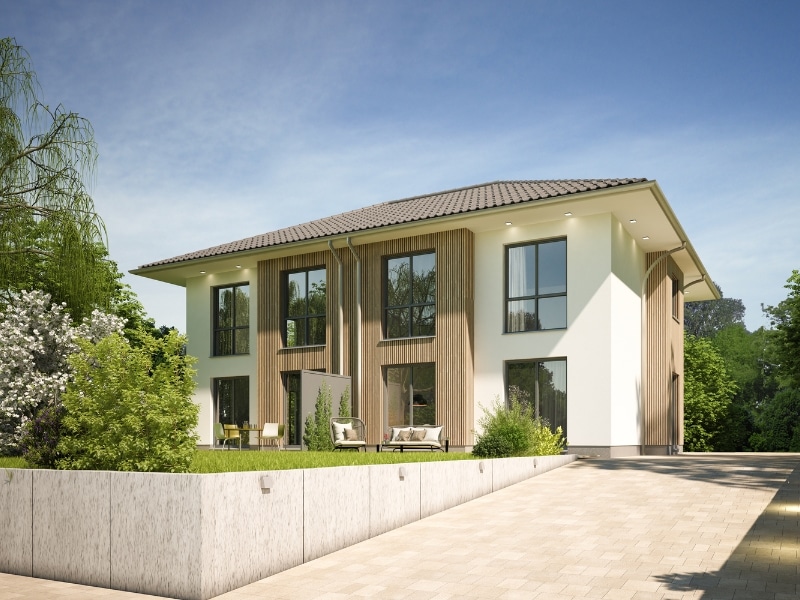
Can a custom duplex better suit your lifestyle needs?
Your needs change—so should your home. A custom duplex considers evolving family life, future rental needs, or ageing in place. Flexibility now can save costly upgrades or adjustments later on.
- Add breakout zones, studies, or flexible rooms that grow with your family or business lifestyle
- Select lighting, cabinetry, and finishes that reflect how you live—not what’s pre-selected by default
- Adapt the home to allow future reconfiguration without rebuilding, helping you age in place smoothly
- Include eco-features like solar orientation, rainwater tanks, or insulation to reduce costs and footprint
Settling for generic features limits your long-term options. Thoughtful design also ensures smoother approvals when aligned with guidelines for building dual-occupancy homes in NSW. Customisation helps you design for real life, not just compliance—especially in diverse Eastern Suburb environments.
Duplex Design Comparison Table
Feature | Standard Duplex Plan | Custom Duplex Plan |
Layout Flexibility | Low | High |
Council Approval Speed | Moderate | Faster (if aligned with code) |
Energy Efficiency | Average | High (with passive design) |
Resale Potential | Moderate | High |
Personalisation Level | Minimal | Tailored to lifestyle |
Final thoughts on creating a strong duplex design
Creating a functional duplex takes more than meeting minimum requirements. It’s about designing a home that works for your lifestyle—now and well into the future. A well-considered design supports liveability, privacy, comfort, and value. It adapts to change, makes daily life easier, and adds long-term flexibility. Whether you’re building for family or future investment, the right design foundation will shape how your duplex performs. If you’re looking for expert input or ideas that match your vision, see how Sydney East Building & Renovations brings design ideas into reality. Their experience can help you move forward with clarity.