

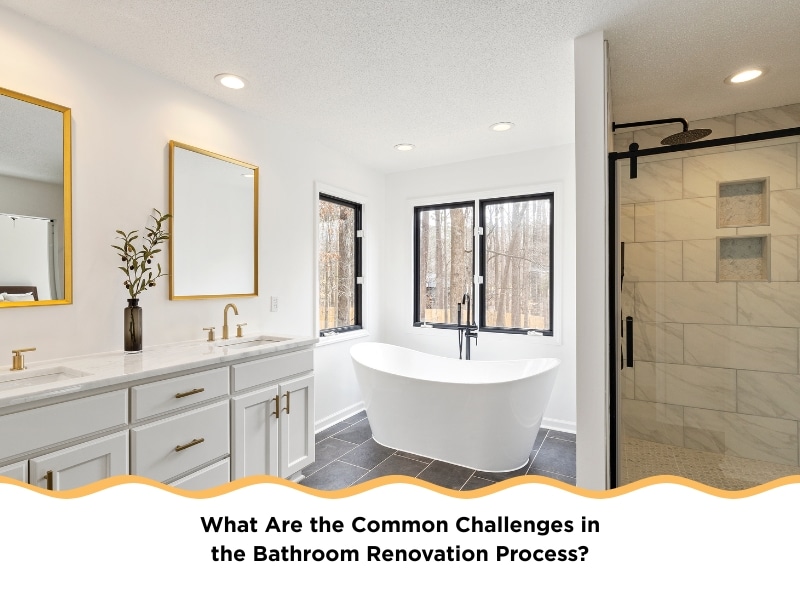
A bathroom reno might sound like a simple makeover. Rip out the old, put in the new—easy as. But that assumption rarely survives past demolition. Once you start pulling things apart, surprises are more common than not. From hidden water damage to budget shocks, the issues can come thick and fast. This article explores the bathroom renovation process, spotlighting the common stumbles homeowners hit and offering clear ways to sidestep them.
What hidden issues can derail your bathroom renovation process?
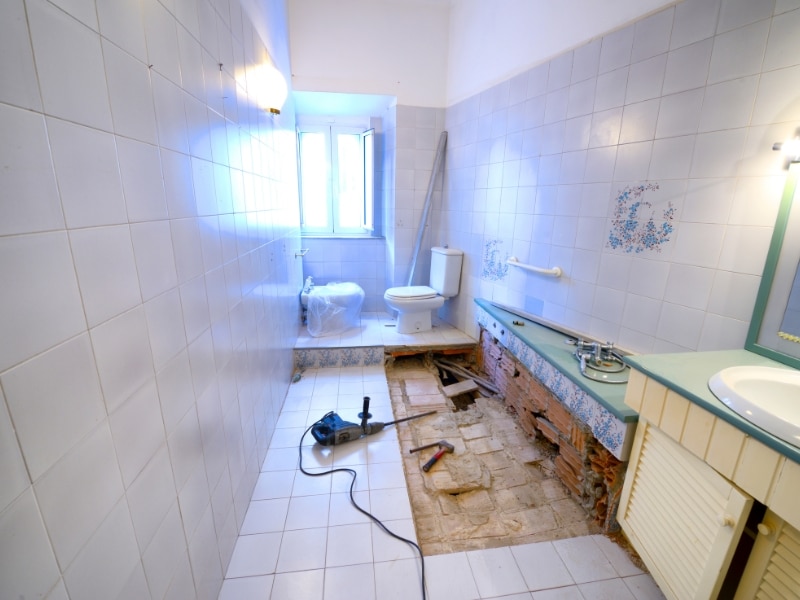
Beneath your bathroom’s polished surfaces, you’ll often find surprises that no one saw coming. Especially in older homes, hidden damage doesn’t always show up until demolition is underway. Here are the typical hidden issues you might encounter:
- Water damage that’s been slowly building behind tiles or under floors
- Plumbing that’s out of date or not up to code
- Uneven floors or sagging joists that need fixing
- Wiring that’s dodgy or simply not enough for today’s appliances
When these issues crop up mid-reno, the costs and delays stack up fast. It’s not just the tradies waiting around—you’re stuck too. Even jobs that seem routine can snowball if the structure underneath isn’t right. Your best bet? Budget for unexpected repairs. Even if nothing goes wrong, the peace of mind is worth it.
How do escalating costs amplify renovation stress?
You start with a budget. Then something changes—a small design tweak, a nicer tile, or worse, a hidden repair. Before long, your costs have blown out, and the stress follows. Here are the budget-blowers you should watch out for:
- Rushed or incomplete initial budgets
- Mid-project upgrades to premium finishes
- Surprise fixes like asbestos removal
- Timeline delays that mean more labour or storage fees
A great design means little if you can’t afford to see it through. This is where tension starts—between trades, timelines, and your wallet. To keep things under control, confirm quotes in writing and ask for cost breakdowns from each trade. It’s also wise to find quality bathroom renovation for modern bathrooms to ensure you’re working with professionals who can quote accurately and manage changes without blowing the budget.
What can happen when planning and design fall short?
Rushing through the design phase is like building on sand. A great-looking mood board doesn’t mean the plumbing will work, or the space will feel right once it’s built. Function and form must align from the start. Here are the common gaps in renovation planning:
- Poor layout that ignores space constraints or plumbing locations
- Skipping ventilation or heating considerations
- Choosing fixtures that don’t fit or suit the space
- Underestimating storage needs or lighting design
If your bathroom looks good but doesn’t function, you’ll regret the decisions daily. Think: drawers that don’t open fully or a shower that floods the floor. Even seemingly small oversights can have a big impact on usability.
More importantly, don’t rely on last-minute decisions. One overlooked detail can hold up multiple trades and create tension. That’s why understanding the important things to consider before starting a bathroom renovation gives you a stronger blueprint before day one.
Why material choices impact renovation success
Your bathroom endures a lot—steam, cleaning agents, daily wear and tear. That’s why your material choices matter far more than what’s trendy. The wrong ones will degrade faster, cost you more in maintenance, and reduce the room’s overall function. Here are the material choices that can make or break your bathroom:
- Durable waterproofing that won’t fail within a few years
- Tiles with non-slip surfaces for safety
- Cabinets made for moisture-heavy environments
- Tapware with corrosion-resistant finishes
You get what you pay for, especially in wet areas. A cheap vanity might look fine at first, but if it swells or peels under moisture, you’ll be replacing it sooner than you think.
If you’re dealing with an older home, the challenge multiplies. Older structures bring quirks—out-of-square corners, fragile subfloors, or plumbing that doesn’t match modern standards. If that’s your situation, there are specific things to consider before renovating an old bathroom that can affect both your material choices and your entire approach.
How can professional guidance streamline the renovation process?
While DIY saves on labour, it rarely saves you stress or time. Professionals bring more than tools—they bring foresight, coordination, and standards that protect your build. Here are the ways professionals make your renovation smoother:
- Coordinating trades to avoid downtime and clashes
- Identifying issues early through proper inspections
- Managing council approvals and compliance checks
- Ensuring the correct sequencing of work for efficiency
Skipping expert support may seem cost-effective, but it can backfire fast. Mismanaged jobs often run longer, need corrections, or fall short of code. It’s no wonder many turn to trusted teams when things get complicated. You can improve efficiency and reduce disruption by improving home liveability through thoughtful renovations backed by those who understand both the build and lifestyle impacts.
What preparation ensures fewer issues during renovation?
Good preparation during the bathroom renovation process means more than ordering tiles and picking a colour scheme. It’s about timing, access, planning for noise, dust, and even where you’ll shower during the works. Here are the essential prep steps to minimise chaos:
- Lock in scope, design, and materials before work starts
- Confirm trade schedules to prevent overlap
- Protect floors, furniture, and fixtures near the work zone
- Set up a temporary bathroom if needed for convenience
Planning for the “in-between” stages—when the bathroom is out of action—makes the experience less stressful. Whether it’s a short renovation or a larger reconfiguration, knowing what’s ahead helps everyone involved.
| Preparation Task | Why It Matters | When To Do It |
| Confirm material delivery | Avoids delays due to missing stock | 2–3 weeks before start |
| Finalise layout | Prevents on-site design changes | Before signing the quotes |
| Notify neighbours | Helps avoid noise complaints or access issues | 1 week before start |
| Create a Reno calendar | Keeps trades accountable | Before Day 1 |
Final thoughts on navigating the bathroom renovation process
Challenges in bathroom renovations aren’t rare—they’re expected. But with foresight, clear communication, and the right help, you can avoid most of the pain points. The key is treating your bathroom as a system, not just a space. To avoid common missteps and build a bathroom that works for years to come, see how Sydney East Building & Renovations can help improve bathroom space.