
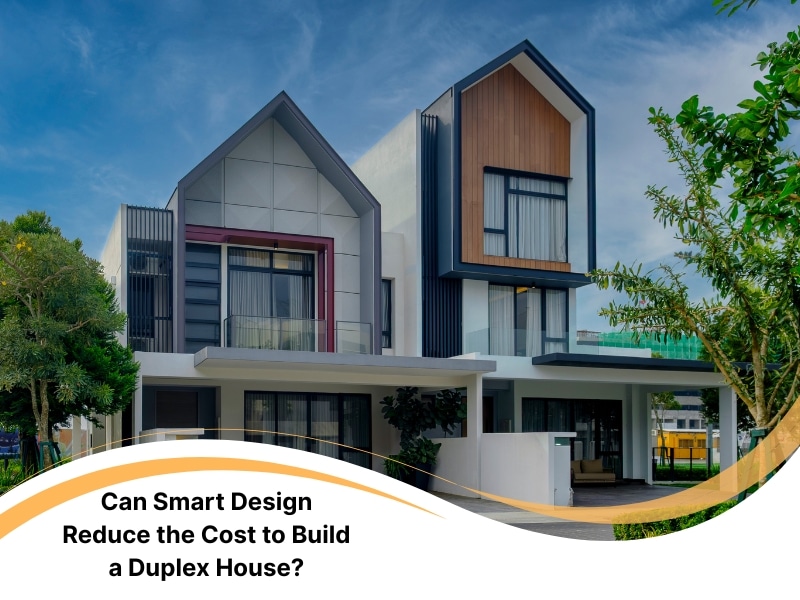
Smart design cuts waste before concrete cures, so your build dollars stretch further. In Sydney, compliance and labour costs are pushing hard. The drawings you approve can either streamline construction or create on-site headaches. Early choices on structure, services, and roof geometry shape everything that follows. The cost to build a duplex house is not one number; it is a chain of linked decisions. Each move can either multiply or cancel risk. A clear brief and buildable details lock in price certainty early. Tight documentation also keeps lenders and certifiers comfortable. That saves calendar time and reduces holding costs in the long run. This article shares practical strategies that trim spend without hurting liveability, so your duplex remains comfortable, compliant, and straightforward to deliver.
Why do so many homeowners underestimate the actual cost to build a duplex house?
Many budgets start light on site intelligence and heavy on optimistic allowances. Then, unknown services or overlays appear late and blow contingencies. Those surprises lead to avoidable variation costs that are difficult to recover. A keener plan brings risk into focus before the first tender. Here are the common blind spots:
- Utility upgrades, including shallow sewers, undersized stormwater, and power upgrades, often catch budgets off guard.
- Site logistics: Tight access, spoil removal, and crane needs add real dollars fast.
- Planning overlays, including flood, bushfire, heritage, and tree controls, affect design and cost.
- Demolition realities: Asbestos, footings depth, and shared walls change scope and timing.
- Documentation gaps: Vague specs invite price padding and harsh exclusions.
Start by aligning survey, geotech, and services data with the concept. Next, plan staging and access to enable trades to work efficiently. As a running checklist during design, incorporate efficient methods for managing the overall cost to build a duplex house while confirming quotes and lead times, and ensuring the scope remains honest and tenderable.
What design mistakes lead to higher construction costs in Sydney duplex projects?
Small design choices can add up to big bills. Extra corners, roof breaks, and transfers add structure and labour. Without builder input, tidy drawings can turn into overruns from inefficient layouts once trades hit the site. It needn’t be hard yakka if the plan stays disciplined. Here are the design mistakes that sting budgets:
- Over-articulation: An excessive number of steps, junctions, and façade changes increases framing time.
- Scattered wet areas: Long pipe runs and extra stacks increase the need for plumbing and risers.
- One-off details: Custom stairs and balustrades, slow fabrication and installation.
- Late value-engineering: Last-minute swaps disrupt coordination and warranties.
- Overspec steel: Transfer beams and deep sections are used where smarter spans would be more appropriate.
Bring construction smarts into design development, not after approval. Keep spans repeatable and avoid gratuitous cantilevers. When the schedule and price must stay aligned, consider hiring trusted duplex builders in Sydney while you are still refining the concept, so trade advice informs drawings early.
How do inefficient floor plans and site choices inflate your building expenses?
Layout and siting determine excavation, structure, and services lengths. Sprawling footprints deepen cuts and retaining walls. Poor alignment with fall invites rework and delays. A disciplined plan uses regular grids, stacked wet areas, and sensible level changes. Here are the layout and siting moves that inflate costs:
- Over-wide floorplates: Larger spans and heavier members increase the structure’s height.
- Fighting the slope: Large-scale cut-and-fill operations create retaining and waterproofing headaches.
- Double crossovers: Traffic control and services duplication add compliance costs.
- Window overuse: More performance glass without shading inflates thermal budgets.
- Ignoring easements: Redesigns and approval delays lead to increased holding costs.
Stack kitchens, laundries, and bathrooms to shorten runs. Right-size rooms for furniture that will genuinely live there. Align garage slabs and floor levels with the site fall to reduce spoil. Keep glazing purposeful and shaded.
Which design strategies can lower the overall cost of a duplex build?
Focus on structure, services, and the envelope. Repeat spans, simplify junctions, and specify items with reliable local supply. That approach trims waste and steadies pricing across both homes. Here are the core strategies that reduce spend:
- Simple structural grid: Repeat 3–4 metre spans through both dwellings.
- Wet-area stacking: Back-to-back bathrooms and laundries lessen the need for pipework and risers.
- Unified roof geometry: Fewer planes reduce framing and flashing complexity.
- Fabric-first shading: External control lowers glass performance needs and cost.
- Modular systems, featuring standard stairs, balustrades, and cladding, shorten installation time.
Informative table: design moves with typical cost effects
| Design move | Typical cost effect | Why it helps |
| Stack wet areas | ↓ plumbing and waterproofing | fewer wet-area penetrations and shorter runs |
| Repeatable spans | ↓ structure labour | Standard sizes install faster and straighter |
| Unified roof plane | ↓ framing and flashing | Fewer junctions and offcuts |
| Align service risers | ↓ trades time | lower service complexity and simpler maintenance |
| Fabric shading | ↓ glazing spend | Smaller performance glass areas |
If a feature adds no function, remove it. Keep details buildable, not bespoke. For planning checks before tender, consider the key aspects of duplex home design while testing privacy, solar access, and setbacks.
How can dual-occupancy home designs make duplex construction more cost-efficient?
Dual occupancy planning lets shared logic do the heavy lifting. Mirrored plans align structure and services, so trades repeat sequences—consistency across both homes trims waste and defects. Repetition also sharpens pricing from suppliers. Here are the dual occupancy moves that improve cost control:
- Shared party wall services: Back-to-back risers, vents, and exhausts go shorter.
- Mirrored wet areas: Identical setouts standardise waterproofing and fixtures.
- Common stair logic: Repeated flights streamline fabrication and installation.
- Tidy roof lines: Matched geometry reduces framing time and flashing runs.
- Standardised openings: Regular door and window sizes eliminate the need for custom lead times.
Keep loads sitting consistently through both dwellings. That approach avoids costly structural overengineering and reduces the use of steel. Repeat proven details to speed up inspections and closeouts. With mirrored living zones, acoustics and privacy are easier to manage.
Can dual occupancy home designs help maximise land use and long-term ROI?
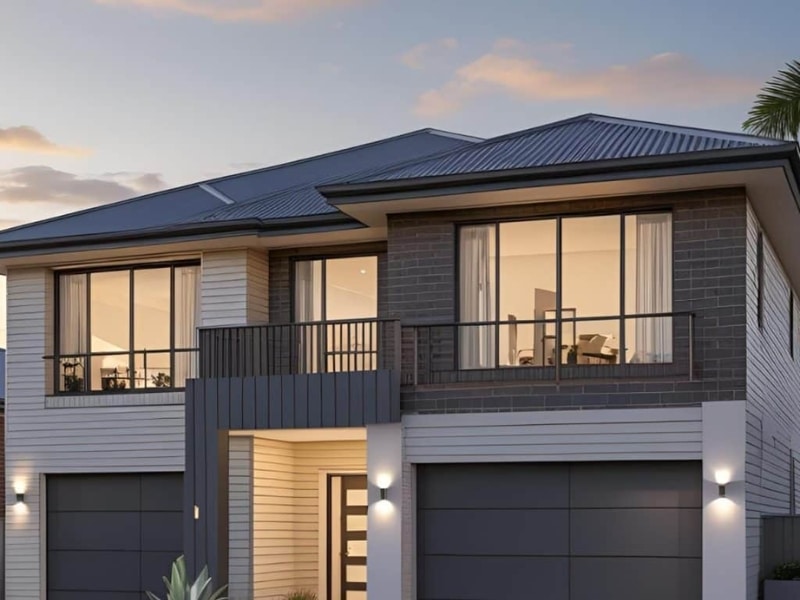
Yes, when drawings align, yield, lifecycle cost, and simple maintenance are considered. A well-planned duplex builds two income streams without souring the streetscape. Clean compliance also shortens approvals, which trims holding costs on the calendar. Here are the ROI levers worth planning in:
- Maximise allowable GFA: Work within height, setback, and landscape rules.
- Durable finishes: Proven, low-maintenance materials reduce future repairs.
- Flexible layouts: Multi-gen living or rent-one, live-in-one stays on the cards.
- Serviceable plant zones: Accessible cupboards keep tenancies undisturbed.
- Solar and hot water sizing: Design for two households, not one.
For approvals and documentation, use references early and often. Doing so usually yields faster design-to-approval timelines and steadier pricing. Keep the compliance with the NSW design for dual occupancy and low-rise housing while testing privacy, solar access, and landscape.
Final thoughts on how smart design can reduce the cost to build a duplex house in Sydney
Intelligent design is practical, repeatable, and kind to trades. It simplifies approvals and steadies the budget. Start with site intelligence, then align spans, services, and roof geometry. Keep façades honest and details standardised. With that groundwork, tender pricing becomes more stable and site work runs smoothly. A calm path from concept to handover is achievable. It asks for disciplined drawings and realistic allowances, not flash features. For a coordinated roadmap that keeps price certainty, learn what makes Sydney East Building & Renovations a reliable choice for duplex homes and map scope, sequence, and approvals in one place before lodging. The outcome feels refined, neighbourly, and built for Sydney conditions. That is the sort of clarity that saves money and stress.