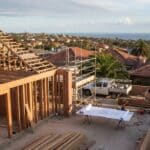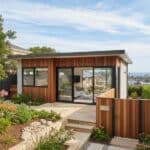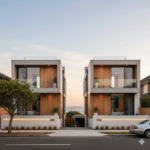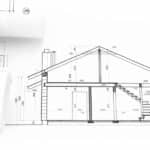

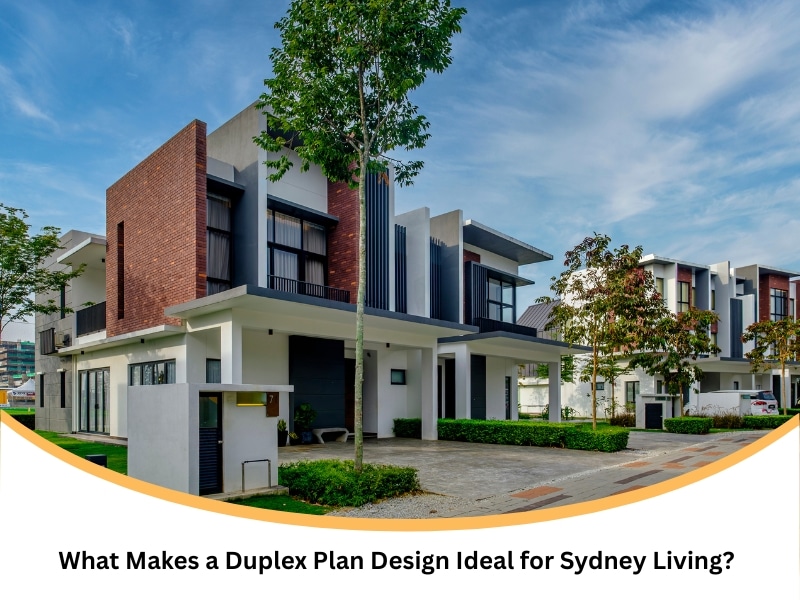
Sydney living suits a duplex plan design because it delivers two well-zoned homes that fit tight blocks, unlock equity, and adapt to changing family needs without sacrificing suburban amenity. Scarce land, council controls, and shifting demographics make single dwellings harder to justify on prized sites, while two front doors hedge risk and future-proof lifestyle changes. Owners also want privacy, flexible rooms, and lower running costs that keep bills sensible across the seasons. This article explores how a duplex plan design balances density, comfort, and long-term value for households across Sydney’s diverse suburbs.
Why are Sydney homeowners turning to duplex plan design for smarter living?
Sydney homeowners turn to duplex plan designs because they stretch land value, support flexible living arrangements, and create future-proof housing on constrained blocks in high-demand suburbs. In places where lots are scarce and prices bite, two dwellings on one site can make ownership, rental income, or multi-generational living stack up without downgrading location or amenity. Here are the reasons that matter most right now:
- A duplex turns one purchase into two pathways, spreading costs and building more predictable long-term value.
- Dual access manages cars, bins, and services, reducing friction and privacy intrusion through sightline breaks and planting.
- Multi-gen living keeps family close to schools and care, easing weekday logistics and supporting flexible routines.
- Two front doors hedge vacancies and life stages, protecting suburb choice without forcing disruptive moves.
Many owners also weigh custom duplex house design to tailor setbacks, entries, and outlooks to block quirks so every metre earns its keep while preserving streetscape character. Sydney buyers are pivoting to duplexes because they deliver liveability and optionality on expensive land; instead of choosing between space and location, you can have both and keep choices open for decades.
What common challenges do builders face when creating functional duplex designs?
Functional duplex designs challenge builders because rules, services, privacy, and access must mesh on a single parcel without tripping approvals or neighbour amenity while maintaining a clean build sequence. Zoning, BASIX, and design controls shape bulk and scale; meanwhile, services and driveways must avoid conflicts that turn daily use into a headache. Here are the hurdles that typically decide feasibility:
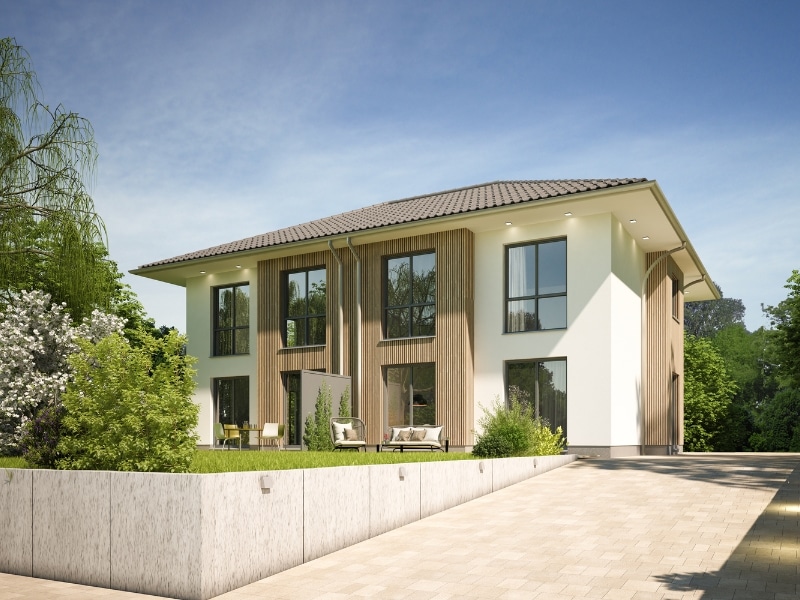
- Privacy relies on window placement and screening; mistakes invite overlooking, noise, and higher remedial costs later.
- Zoning and DCP controls cap bulk, overshadowing, and landscaping, requiring articulation for lower perceived bulk and scale.
- Shared services need separation and redundancy to avoid disputes over maintenance, liability, and future upgrades.
- Access, turning circles, and EV readiness demand careful driveway design that protects trees, maintains kerb rhythm, and prioritises safety.
Within practical decision-making, households often explore cost-effective duplex house designs to keep structure simple, limit spans, and channel budget toward kitchens, stairs, envelopes, and glazing where daily comfort pays back. The trick is aligning council controls, services, and privacy early so the build runs no dramas and approvals don’t stall; with forethought, constraints become design drivers rather than handbrakes.
How does poor space planning affect the livability of a duplex home?
Poor space planning hurts liveability by stealing light, bottlenecking movement, and wasting storage space, leaving rooms feeling cramped and awkward even when the area looks generous on paper. When circulation eats floor space, living zones lose flexibility, and households end up shuffling furniture like musical chairs. Here are the planning pitfalls that most damage comfort:
- Oversized stairs and corridors steal usable area, shrinking living rooms and tight bedrooms.
- Poor sun orientation reduces cross-flow, raising cooling loads where lower energy use year-round is achievable.
- Separated kitchens and dining cause traffic jams; the service triangle collapses under daily pressure.
- Thin storage pushes clutter onto benches and floors, delivering less day-to-day calm at peak hours.
| Issue | Everyday impact | Simple fix |
| Long corridors | Lost usable area, awkward furniture | Shorten runs; add storage along circulation |
| Poor window orientation | Hot in summer, dim in winter | Re-site glazing; add shading and operables |
| Disconnected kitchen | Inefficient meal prep, traffic jams | Align kitchen–dining; clear service triangle |
| Thin storage | Cluttered floors and benches | Built-in robes, pantries, and under-stair units |
To steer planning toward calmer daily rhythms, many compare family-friendly duplex designs that stage kids’ bedrooms away from living zones and stack wet areas to cut noise and pipe runs. Fixing planning early saves grief later; well-placed stairs, daylight, and storage create rooms that feel larger than their measurements and make compact homes work a treat.
How can thoughtful dual occupancy layouts enhance comfort and value?
Thoughtful dual-occupancy layouts enhance comfort and value by zoning loud and quiet areas, capturing sunlight, and simplifying services so maintenance and living run smoothly through the seasons. When spaces connect logically, movement is easy, cleaning is quicker, and every metre pulls its weight without costly workarounds. Here are the layout moves that make a tangible difference:
- Face living to the north or courtyards; cluster wet areas to shorten runs and improve night-time acoustics.
- Provide distinct entries and sightline breaks so visitors separate naturally and households feel independent.
- Stack bathrooms and laundries to reduce penetrations and noise, freeing budget for durable finishes.
- Design mid-landing stair windows to pull daylight through levels, making compact footprints feel generous.
For statutory clarity and broader context, stay across dual occupancy layouts to understand how planning directions interpret setbacks, private open space, and streetscape rhythm across Sydney LGAs. Thoughtful dual occupancy planning isn’t flashy; it simply works day in, day out, delivering quieter everyday routines and more substantial resale confidence when it’s time to move on.
What should you look for in modern duplex floor plan options?
Modern duplex floor plan options should prioritise orientation, storage, flexible rooms, and sustainable materials that reduce bills while keeping upkeep easy in busy Sydney households. Style counts, but daily function, acoustic balance, and low-maintenance detailing matter far more over the long haul than short-lived finishes. Here are the key features to put on your shortlist:
- Open living to usable outdoor space with good sightlines for supervision, entertaining, and quiet downtime.
- Include a flexible room on ground level for mobility, guests, or work-from-home without significant rework.
- Choose durable, replaceable finishes that handle kids, pets, and beach sand while staying tidy longer.
- Integrate solar, shading, fans, airtightness, and insulation to stabilise temperatures throughout the seasons.
During selection, many owners benchmark inclusions and spans against proven modern duplex outcomes, then refine structure to keep workmanship tight and budgets sensible without over-engineering elements that won’t add comfort. Choosing the proper configuration is about more than looks; match plan type to lot width, orientation, and services, and the home will feel effortless through seasons and life stages—easy as.
Final thoughts on achieving the best duplex plan design for Sydney living
Achieving the best duplex plan design for Sydney living means aligning approvals, light, privacy, and flexibility so that everyday routines flow with minimal friction while keeping future changes straightforward. Start with the site’s constraints, then orient rooms for airflow, reduce noise transfer, and create storage that tames clutter, because tidy spaces feel bigger and work harder. For reliable direction and guidance, you might consider seeking expert advice from Sydney East Building & Renovations and start with a clear vision of how your dual home will perform now and into the future.