
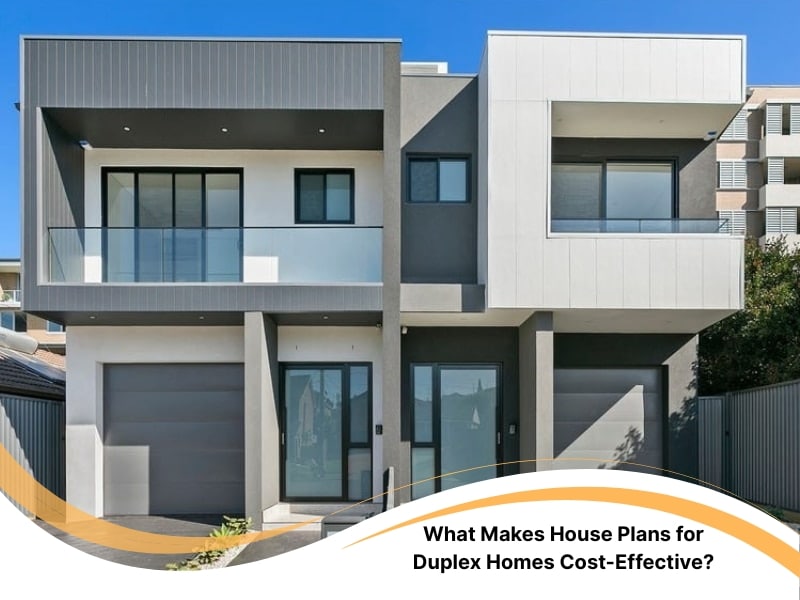
When it comes to smart building decisions, few things beat thoughtful planning — especially in the context of duplex homes. Whether you’re investing, downsizing, or creating a multi-generational living space, house plans for duplex homes can significantly impact both your budget and success. Too often, people dive into construction with vague ideas and half-set budgets, only to find themselves cornered by design flaws or council delays. A well-crafted plan isn’t just paperwork — it’s a tool for cost efficiency and smooth project flow. Throughout this article, you’ll explore why upfront planning matters, what pitfalls to avoid, and how the right design features can stretch your dollar further. Building in Sydney’s fast-paced market? It pays to know when and how to commit to a plan that won’t let you down.
Why are house plans for duplex homes necessary before construction begins?
Jumping into construction without solid plans is like going fishing without bait. Sure, you’ll float — but will you catch anything worthwhile? Not likely. Here’s why early planning matters:
- Ensures zoning and site regulations are met.
- Helps forecast accurate build costs and timelines.
- Identifies potential design conflicts ahead of time.
- Streamlines council approvals with fewer revisions.
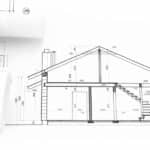
In Sydney, planning laws can vary from suburb to suburb. Without tailored house plans, you might hit a wall before the slab is even poured. Accurate documentation enables builders to provide accurate quotes and start on schedule — no dramas, no backpedalling. You’ll also lock in availability for materials and trades, avoiding budget blowouts caused by delays. Good plans aren’t just detailed; they’re timely. And that timing makes all the difference when margins are tight.
What challenges can arise with duplex construction cost planning?
Plenty can go pear-shaped when it comes to costs. You might start with a ballpark figure, but with poor planning, that ballpark turns into a stadium-sized blowout. Challenges include:
- Inaccurate soil or site data is bumping up costs.
- Design changes that force structural rework.
- Underestimating service connections, such as plumbing and power.
- Delays are pushing work into peak-price seasons.
Without realistic budgeting from the start, you risk incurring expensive guesswork. And that’s before the council even weighs in. Material costs fluctuate, and Sydney’s building scene is highly competitive — locking in trades at the wrong time can be costly.
If your builder isn’t familiar with the process, they could miss key allowances. That’s where trusted duplex home builders in Sydney for tailored planning can save your bacon. They’ll know which inclusions to flag and how to value-engineer without cutting corners.
How does poor planning affect building a duplex successfully?
Poor planning can turn a dream build into a costly slog. You may face:
- Overlapping timelines that disrupt the work order.
- Rejected permits due to planning inconsistencies.
- Surprises in site excavation or drainage requirements.
- Trades are clashing on-site due to scheduling gaps.
These aren’t small hiccups — they snowball. One wrong move early on can trigger months of delays. The result? Wasted time, blown-out budgets, and frustrated neighbours. Poor planning also affects the resale value. Buyers and tenants can spot awkward layouts, dodgy finishes, or non-compliance — and they’ll run a mile. Instead, look at options like the best double-storey house design options that already meet code, optimise space, and offer flexibility. They take the guesswork out, and you’ll thank yourself later.
Which design features make house plans for duplex homes more efficient?
Design makes or breaks cost efficiency. It’s not just about aesthetics — every extra hallway, roofline, or window affects the budget. Key efficiency features:
- Mirrored layouts to simplify plumbing and framing.
- Shared central walls to reduce materials and soundproofing costs.
- Compact floor plans that still meet family needs.
- Energy-smart orientation and ventilation.
Efficient duplex designs can lower not only construction costs but also running expenses. Think of solar positioning, insulation ratings, or even off-street parking configurations — these add long-term value without spending through the nose.
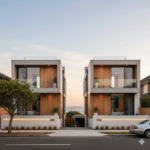
If you’re stuck choosing layouts, consider how size, shape, and façade will impact both function and build cost. This is where choosing the right duplex design can give you a leg up. It’s less about what looks good on paper — more about what performs in reality.
How can dual-occupancy home designs maximise value in duplex planning?
Dual-occupancy homes double the living potential without doubling the land. For many Sydneysiders, that’s a sweet spot — especially when land is scarce and pricey. The benefits stack up quickly:
- Two rental incomes from one site.
- Reduced per-dwelling build cost.
- Flexibility for multigenerational or live-in-owner setups.
- Appeal to a broader resale market.
But value isn’t automatic. Poor designs with cramped rooms or inadequate access can significantly impact the return. Instead, opt for layouts that feel private, allow for natural light, and utilise space efficiently. And if your plans line up with housing design standards in NSW, you’re more likely to get through approvals quickly. The standards aren’t there to trip you up — they guide smoother, smarter builds.
Here’s a quick comparison of layout strategies:
| Design Strategy | Cost Impact | Value Potential | Approval Speed |
| Shared driveways | Low | Medium | High |
| Dual street access | High | High | Medium |
| Internal mirror layout | Low | High | High |
| Separate backyards | Medium | High | Medium |
When should you finalise house plans for duplex homes to avoid delays?
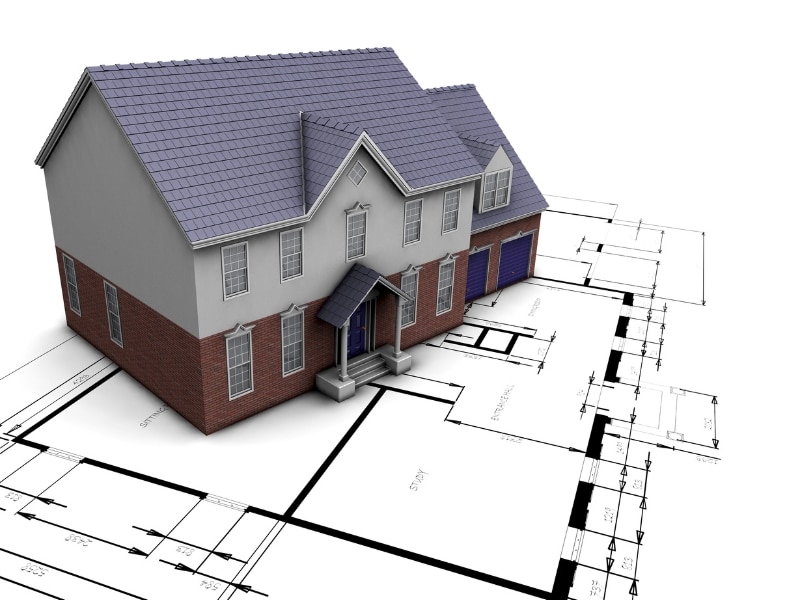
Don’t wait until the slab is down. Finalising too late is like changing recipes halfway through cooking — you’ll ruin the dish. Lock plans in:
- After the site survey and soil test.
- Before submitting to the council or certifier.
- After a clear cost estimate is agreed upon.
- Before engaging in trades for scheduling.
Leaving plan details open-ended can hinder approvals, trigger redesigns, or lead to supply mismatches. Worse, it might delay financing if the lender needs confirmed plans. Make sure your plans align with both buildability and compliance from the outset. With strong planning, you’ll build faster and with fewer “wish I’d thought of that” moments.
Final thoughts on planning smarter duplex homes
Duplex planning doesn’t need to be a headache. It’s about knowing when to act, who to involve, and how to weigh costs against long-term function.
You’ll save money not by cutting corners, but by planning ahead. With thoughtful layouts and early action, you’ll dodge delays, cut waste, and end up with a duplex that works harder for your dollar. If you need guidance tailored to your site and goals, you can always rely on the advice from Sydney East Building & Renovations.