
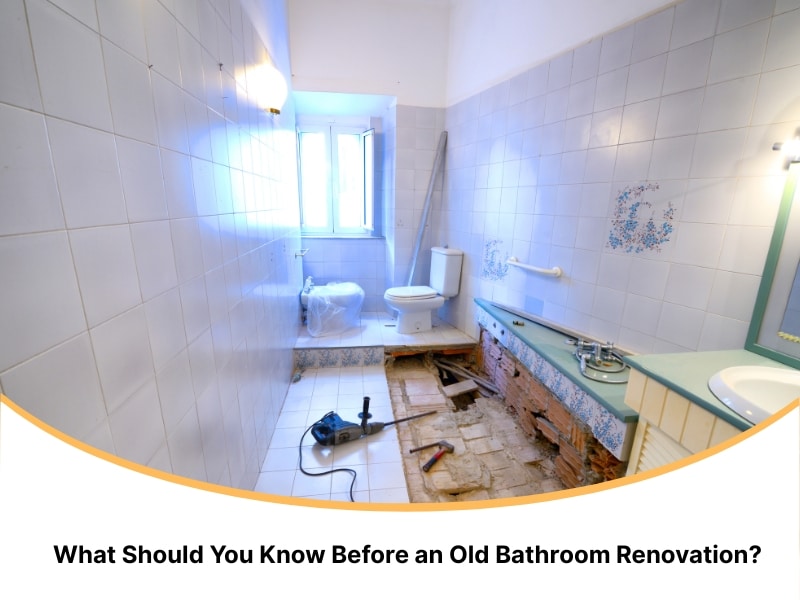
Old bathroom renovation projects often look simple on the surface—but once demolition begins, hidden problems tend to emerge. Cracked tiles might reveal water damage, or a dodgy outlet might uncover outdated electrical work. These spaces were built to different standards, and that adds layers of complexity you might not expect. This article explores the structural challenges, design decisions, and practical upgrades that can make or break your bathroom transformation.
Why is an old bathroom renovation more complex than expected?
Renovating an older bathroom isn’t a walk in the park. It can look like a basic facelift job, but the moment the first tile comes off, you’re in a different world. Old materials, quirky layouts, and long-forgotten DIY fixes often rear their heads. Things that catch people off guard:
- OOutdated plumbing systems that are on their last legs and may require replacing old plumbing pipes to prevent leaks or low water pressure later on
- Wall frames that don’t suit today’s insulation or fittings
- Floors that slope or bounce more than they should
- Sneaky old patch-ups that weren’t done to code
You might start out thinking this will be a quick update—but before you know it, you’re knee-deep in a bit of a dog’s breakfast. And that’s without touching on things like asbestos or cracked slabs. Being ready for surprises is half the battle.
What hidden issues can arise during an old bathroom renovation?
There’s a reason seasoned tradies roll their eyes when they hear “should be straightforward.” Older homes have had decades to hide issues behind walls and under tiles. You won’t always know what you’re dealing with until you’re halfway through. Here’s what tends to pop up:
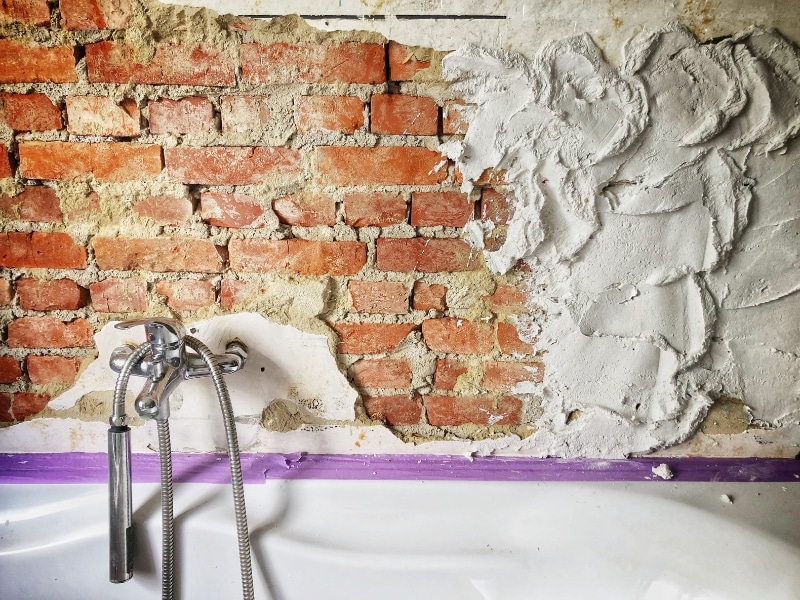
- Water-damaged timber frames from leaky pipes or cracked grout
- Termite damage thanks to years of trapped moisture
- Uninsulated wiring zigzagging too close to water lines
- Crumbling cement under old tiles, ready to fall apart
Surface-level renos are tempting, but if you ignore what’s behind the walls, you’ll likely be in the same boat again a year from now. It’s worth the time and effort to explore custom renovation solutions for outdated bathroom spaces that deal with both the looks and the structure underneath.
How can skipping inspections affect your old bathroom renovation?
Trying to save time by skipping inspections can backfire quickly. You wouldn’t have a crack at tiling without checking your levels first—same goes for your renovation. Without a proper look under the hood, you’re building on guesswork. Here’s where things can go pear-shaped:
- Nasty surprises that blow out your timeline and budget
- Approvals falling through due to non-compliant features
- Insurance not covering major structural oversights
- Safety issues that weren’t flagged early on
Professional inspections spot the stuff you can’t. Pipes, electrical, ventilation, even old materials that don’t mix well with new builds. Having an experienced builder on board can help with things to consider when renovating a bathroom, so you know exactly what’s coming before the first tile is lifted.
Which factors should you weigh before renovating an old bathroom?
Planning a reno in an older home means thinking beyond tiles and tapware. These projects often have extra layers, and skipping them leads to drama down the track. Even the best design won’t matter if the plumbing fails underneath it. Think about:
- Weight load on timber floors when using stone, concrete or large bathtubs
- Whether plumbing and wiring can be reused or need replacing
- Natural airflow—especially if you’ve got small windows or none at all
- How new materials will behave over time when bonded to old ones
This isn’t the time to wing it. Everything from your underlay to your lighting plan affects the end result. That’s why seasoned renovators spend time balancing old structures with new features.
Consideration | Why It Matters | What to Look For |
Subfloor condition | Impacts waterproofing and tile stability | Look for rot, cracks, or sagging |
Ceiling height | Affects ventilation and lighting | Adjust lighting type accordingly |
Pipe placement | Influences fixture location and drainage | Check accessibility |
Asbestos risk | Common in older homes | Professional removal required |
How can design choices improve function in an old bathroom renovation?
Renovating older bathrooms isn’t just about adding a modern look—it’s about making the space easier to use day in, day out. Some of those ‘quirky’ old layouts were never practical in the first place. Design fixes can transform the whole room without knocking out every wall. Here’s where good design pays off:
- Floating vanities to free up floor space and make cleaning easier
- Walk-in showers with linear drains for better access
- Built-in niches and recesses for towels, shampoo and extras
- Large-format tiles that reduce grout lines and simplify maintenance
When space is tight, smart design makes all the difference. You can modernise while keeping the charm of the original build. This is where efficient planning for long-lasting renovation results really comes into play—merging function with finish.
What upgrades make the most significant impact in an old bathroom renovation?
Not every upgrade needs to break the bank. If you’re choosing where to spend and where to save, focus on features that boost comfort and usability—not just looks. Done well, even one or two small changes can make a world of difference. Worthwhile upgrades include:
- Heated floors to stop your toes freezing in winter
- Wall insulation—especially handy for upstairs or shared bathrooms
- Mixer taps that are easy to operate, even for older hands
- LED lights with dimmers for bright mornings and chill nights
The goal isn’t to turn it into a showroom—it’s to make it work better. Prioritise function where it matters most. When done in the right order, even modest upgrades will stand out.
How can you make sure your finished bathroom meets expectations?
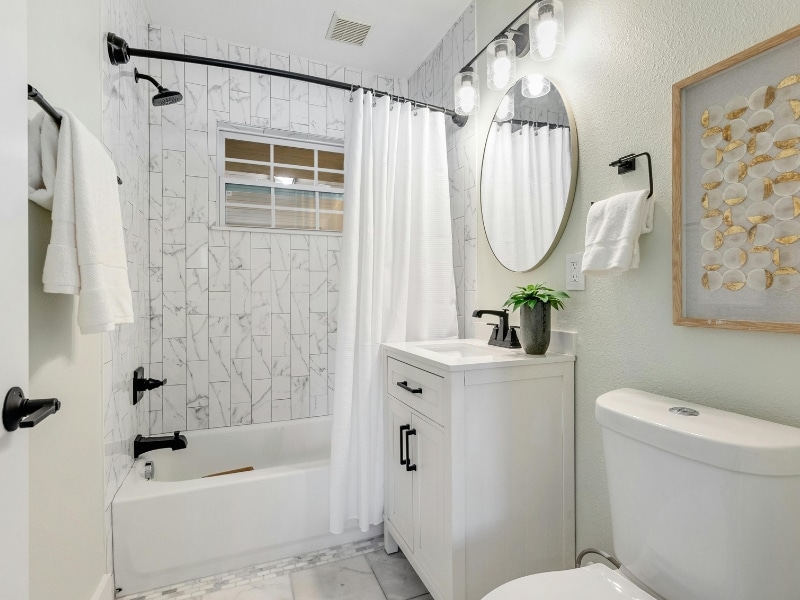
You’ve made it through the mess, the mud, and the trades—now you’re staring at your “finished” bathroom. But is it really done? Before you settle in, take a proper look around and make sure the final product matches what was promised. Tick these off first:
- Certificate of compliance from your builder or contractor
- Confirm lighting, ventilation, and layout are all as per the plan
- Request a walk-through before sign-off for last-minute fixes
- Keep your warranty info somewhere easy to access
Mistakes are easier to fix now than six months later when the grout’s discoloured or the fan doesn’t work. The handover is just as important as the first demolition day.
To avoid common frustrations, many find it helpful to explore how Sydney East Building & Renovations handles bathroom transformations.