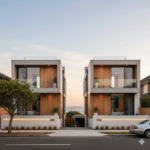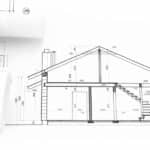

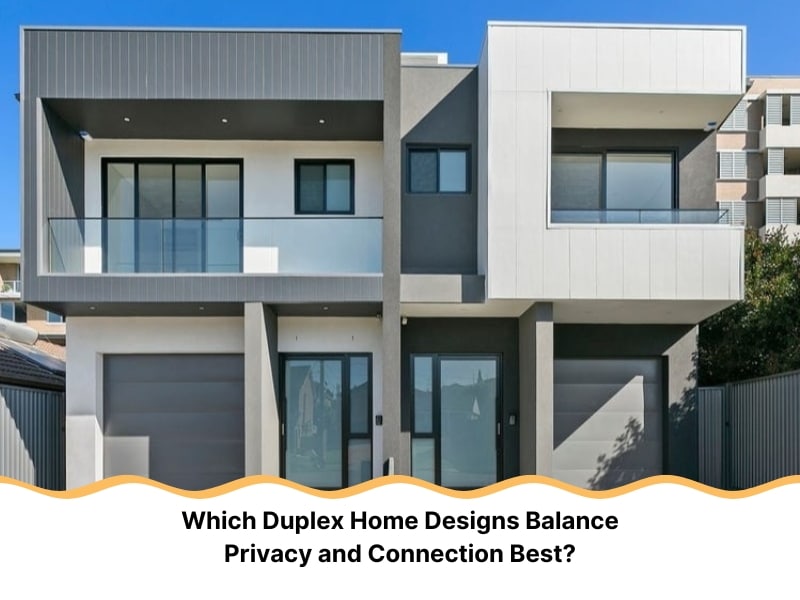
The duplex home designs that balance privacy and connection use zoning, outlook control, and social hubs shaped for Sydney life. On compact blocks, noise, overlooking, and storage can rattle daily routines; thoughtful planning calms the lot. You want quiet bedrooms, shielded courtyards, and living spaces that invite people together without echoes. Orientation, setbacks, and landscaping do the heavy lifting, with details refining comfort day to day. In a nutshell, duplex home designs thrive when circulation breaks sightlines and windows frame light, not neighbours. This article shows how to weigh privacy and togetherness so a Sydney duplex feels welcoming, resilient, and no dramas.
How do duplex home designs shape modern family living in Sydney?
Sydney living is social, yet quiet time matters. A duplex succeeds when rooms support both. Placement, zoning, and street interface shape how life flows from door to garden. Here are the family-life impacts:
- Zoning upstairs/downstairs: Separates sleep from entertaining, so nights stay restful.
- Courtyard positioning: Puts outdoor rooms where noise won’t bounce into bedrooms.
- Entry choreography: Offsets doors to avoid awkward encounters and letterbox congestion.
- Storage strategy: Tames prams, bikes, and bins so the façade stays neat.
- Acoustic layering: Puts robes and bathrooms on shared walls to soften sound.
- Landscape buffers: Use trees and screens to cool, shade, and filter views.
Sydney blocks can be tight, yet more privacy for multigenerational living is achievable with thoughtful circulation. For a smoother path from sketch to keys, consider quality duplex home design and build services mid-plan, while you still have flexibility to refine.
What architectural principles make duplex home designs feel more private?
Privacy is more than thick walls. Sightlines, sill heights, and courtyard staggering matter most. Materials and glazing then fine-tune acoustic comfort without turning rooms into bunkers. Here are the design levers:
- Split entries: Avoid face-to-face doorways to reduce awkward overlap.
- Staggered outdoor spaces: Break direct views with blade walls and green screens.
- High sills and clerestories: Borrow sky light without sacrificing seclusion.
- Z-shaped circulation: Turn stairs to block lines of sight between halves.
- Acoustic wall systems: Pair insulation with resilient channels to curb transfer.
- Framed outlooks: Aim windows to trees or sky to keep neighbours out of frame.
The result is shared walls that still feel solid, yet interiors stay bright and breezy. For a quick sense-check before drawings snowball, knowing the key factors to consider in duplex home design is helpful. Those fundamentals keep privacy strong while the connection remains easy.
How can thoughtful duplex layouts enhance shared spaces without compromise?
Shared rooms should invite people in, not amplify noise. Ceiling forms, joinery, and side gardens shape comfortable zones that feel generous without waste. Here are the layout moves that help:
- L-shaped living: Creates sightlines between the kitchen, dining, and garden.
- Mid-span beams: Control acoustics and keep costs sensible.
- Half courtyards: Pull light deep into the plan without glare.
- Stacked wet areas: Simplify services and reduce the risk of leaks.
- Pocket study: Keeps screens out of the living while staying connected.
- Mud space at entry: Catches boots and bags before they spread.
With that approach, you’ll bank Lower build costs with clever planning while keeping the parts you touch daily feeling premium. To sharpen budgets without gutting quality, explore smart design ideas to reduce duplex build costs. The goal is connection where it counts and calm where it’s needed.
Why should your duplex home design include natural light zoning and airflow planning?
Light and air drive comfort. Orientation and operable windows set the tone; shading and thermal mass fine-tune seasonal performance. Here are the daylight and airflow essentials:
-
- North to living: Warms winter days and lowers heating demand.
- East to bedrooms: Gentle morning light without harsh afternoons.
- West control: External screens or planting to cut late heat.
- Opposed openings: Cross-ventilation paths for summer evenings.
- Stack vents or skylights: High-level exhaust for hot air purge.
- Pelmets and seals: Reduce winter drafts for steady temperatures.
Handled well, you’ll enjoy Sunlight access without glare and rooms that breathe on cue. Sydney’s sea breezes and nor’easters can work for you when the openings align. Get those basics right, and power bills take a back seat; lifestyle lifts with no worries.
What role do council regulations play in shaping Sydney’s duplex home designs?
Rules set the envelope: heights, setbacks, site coverage, and private open space. Address them early to avoid redraws and maintain neighbour relations. Here are the compliance touchpoints:
- Height and plane controls: Shape roof forms that sit comfortably on the street.
- Overlooking and privacy: Map window centres, not only sills, to prove compliance.
- Overshadowing tests: Model the June solstice at 9 am, noon, and 3 pm.
- Parking and access: Place garages to protect the rear open space and trees.
- Landscaping ratios: Use canopy species to shade and soften boundaries.
- Acoustic notes: Document intertenancy performance to satisfy certifiers.
Informative approvals snapshot:
| Document/Study | Purpose | When it matters most |
| Shadow diagrams | Demonstrate solar impact on neighbours | Narrow lots; southern neighbours |
| Overlooking analysis | Prove privacy compliance | Upper-floor windows and terraces |
| Acoustic specification | Confirm wall/ceiling ratings | Shared walls, services, penetrations |
| Landscape plan | Show canopy, screening, and drainage | Amenity and cooling |
| Stormwater concept | Manage runoff and detention | Sloping sites; flood overlays |
For a statewide reference point, the official design framework for NSW residential projects sets pattern-based guidance that adapts well to Sydney councils. Leaning on that structure reduces risk and keeps progress steady.
How do experienced duplex builders ensure seamless construction and approvals?
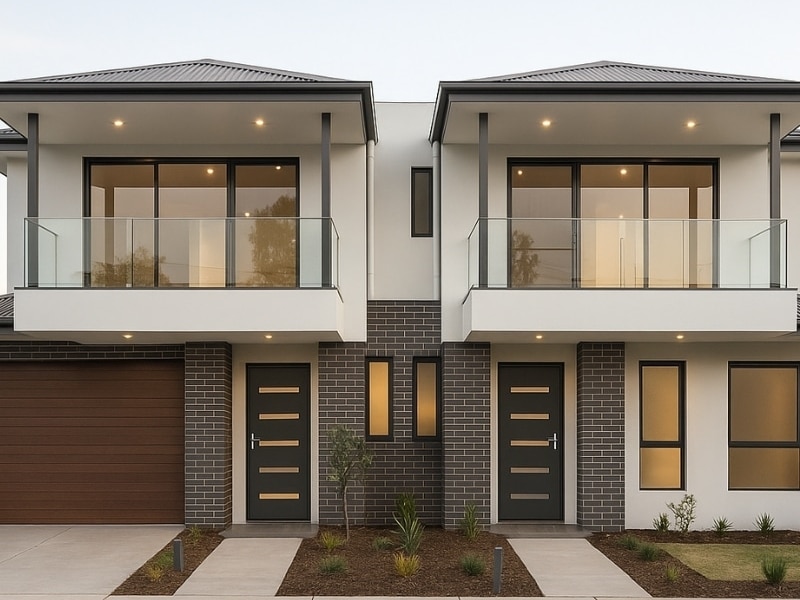
Delivery rests on coordination. Sequencing, tolerances, and site communication turn tidy drawings into tidy homes. Here are the delivery practices that matter:
- Early window lock-ins: Prevent schedule slips and protect façade detailing.
- Services choreography: Keep penetrations off acoustic linings and membranes.
- Photographed hold points: Frame, pre-linings, waterproof, and pre-paint checks.
- Weekly look-aheads: Catch conflicts before they balloon.
- Tested wall systems: Use documented intertenancy ratings to avoid guesswork.
- Clean site logistics: Plan crane, skip, and materials to protect neighbours.
Strong coordination underpins approvals that don’t drag on, because documentation lands wholly and consistently. Program control usually saves more than bargain hunting; fewer variations, fewer headaches. In the end, the handover feels fair dinkum—finished, durable, and ready for everyday life.
Final thoughts
Good duplexes feel calm, bright, and neighbourly. They protect sleep and study, yet open up for a meal with mates. When tailored guidance is on the cards, discover how Sydney East Building & Renovations brings duplex ideas to life as a measured next step, so the site, budget, and brief line up without fuss. Keep steering by three levers—zoning, outlook control, and airflow—and the day-to-day will run smoothly, no dramas.