
Finding the right modern house plans for small lots means choosing designs that maximise limited space while still delivering on comfort and style. These days, shrinking land sizes in urban areas across Australia demand smarter, more efficient home designs. You might be dealing with zoning restrictions, setback rules, or simply want to make the most of a narrow frontage. Modern layouts are tailored to suit these constraints—focusing on vertical expansion, open-plan living, and adaptable interiors. This article explores how modern house plans can turn compact lots into functional, beautiful homes without compromising on lifestyle.
What challenges do small lot homeowners face with traditional layouts?
Traditional home layouts often fail to address the spatial and lifestyle needs of smaller blocks, making them impractical for today’s lot sizes. These older designs weren’t developed with narrow widths or tight setbacks in mind, so they can feel cramped or inefficient when applied to modern builds. Here are the common limitations of traditional small lot house design:
- Boxy rooms and long, dark corridors that limit natural light and cross-breezes.
- Limited vertical thinking—many older homes are single-storey, wasting airspace that could be used for bedrooms or study zones.
- Setback issues, where side setbacks and outdated zoning rules restrict usable floor area.
- Small yards with no seamless indoor–outdoor flow make entertaining or family play more difficult.
While some homeowners attempt renovations to work around these issues, many find the constraints frustrating. Today’s smaller lots need designs that work with the land—not against it. Building code requirements for double-storey houses often dictate specific spacing and height considerations, making these issues even trickier for older designs.
Why are modern house plans ideal for narrow or compact spaces?
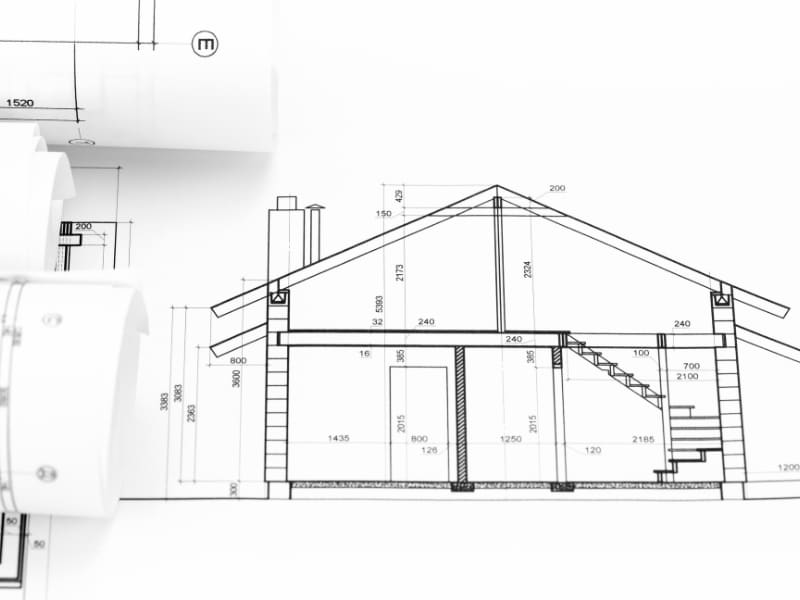
Modern house plans are ideal for narrow or compact spaces because they’re designed to solve the very problems traditional layouts ignore. With a focus on adaptability, light, and efficient use of space, these plans are purpose-built for contemporary Australian lots. Here are the ways modern home designs for narrow blocks overcome common spatial constraints:
- Flexible room uses—home offices double as guest rooms, and media rooms shift to kid zones as families grow.
- Strategic window placement to bring in natural light, even on narrow blocks.
- Open-plan kitchens and living areas that create the illusion of space and encourage movement.
- Slim yet smart bathrooms and laundries that maximise every square metre.
You’ll also find many space-saving floor plans for modern homes that prioritise airflow and layout over excess footprint. These design solutions mean your home can feel big—without actually being big.
How can smart floor plans maximise space in modern homes?
Smart floorplans maximise space by rethinking how you use every room and surface—pushing beyond the limits of traditional layouts to get more from less. They’re not just clever—they’re essential when you’re building on a tight footprint. Here are the key features of smart floor plans that work well in compact builds:
- Zoned living areas that separate noisy zones (like kitchens and lounges) from quiet zones (like bedrooms or offices).
- Integrated storage in stairs, walls, under-beds, and seating—every dead space becomes functional.
- Multi-use nooks: think study corners under stairs or benches that become dining tables.
- Sliding doors and open risers to open up visual space and boost airflow without physical expansion.
The goal isn’t only to fit more in—it’s to create the illusion of more space, too. That’s what makes these layouts feel bigger than their square metre count. Here’s a comparison of common layout strategies used in modern small lot homes:
| Feature | Traditional Homes | Smart Floorplans |
| Room use | Fixed functions | Multi-functional |
| Storage solutions | Basic cupboards | Integrated, hidden, creative |
| Light access | Small windows | Strategic glazing, skylights |
| Circulation | Closed-off rooms | Open-plan zones |
| Vertical use | Rarely used | Loft spaces, mezzanines |
What design features make modern house plans space-efficient?
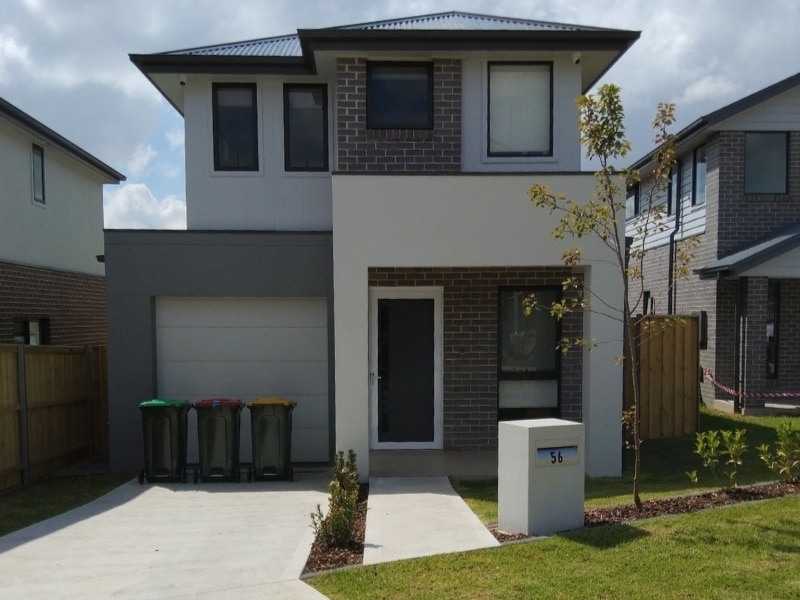
The design features that make modern house plans truly space-efficient go beyond size—they focus on flow, sustainability, and how people live today. These features help balance comfort and function, even on the most compact of lots. Here are the elements that define contemporary house plans built for efficiency:
- Indoor–outdoor living areas that expand the space without increasing the footprint.
- Energy-efficient layouts that reduce heating/cooling needs through smart orientation and insulation.
- Minimalist lines and finishes to reduce visual clutter and enhance flow.
- Functional zoning, where private areas like bedrooms are tucked away from busy family zones.
Modern homes don’t need to be big to be livable. It’s the careful balance between design and practicality that makes a home feel just right. Even if you’re building on a small lot, you can still benefit from custom double-storey homes that integrate these features with flexible, modern finishes.
How can you adapt modern house plans for family needs and growth?
You can adapt modern house plans for growing families by choosing flexible designs that change with you—accommodating kids, teenagers, guests, or ageing parents without needing a full remodel. Today’s smart builders think long-term. Here are the ways modern house design plans cater to evolving household needs:
- Modular layouts where rooms can be opened or sectioned off as needs change.
- Secondary living areas, such as upstairs retreats or rumpus rooms, for independence as kids grow.
- Open-plan living ideas that allow for visual connection across spaces, yet privacy when needed.
- Optional granny flats or studios that support multi-generational living or rental income.
Modern designs aren’t just about now—they’re about the next 10–15 years, too. The smarter your floor plan, the less likely you’ll need costly changes down the line. That’s why it’s worth thinking ahead, especially if you’re considering planning a double-storey house renovation.
Final thoughts on choosing the right modern house plan for your lot
Choosing the right modern house plan for a small lot starts with understanding your land, lifestyle, and future goals. It’s not just about what fits—it’s about what flows. By balancing flexibility with thoughtful design features, you can get the most out of your compact space without feeling boxed in. If you’re ready to explore custom design options or need tailored advice, reach out for guidance from Sydney East Building & Renovations.